-
Sale!
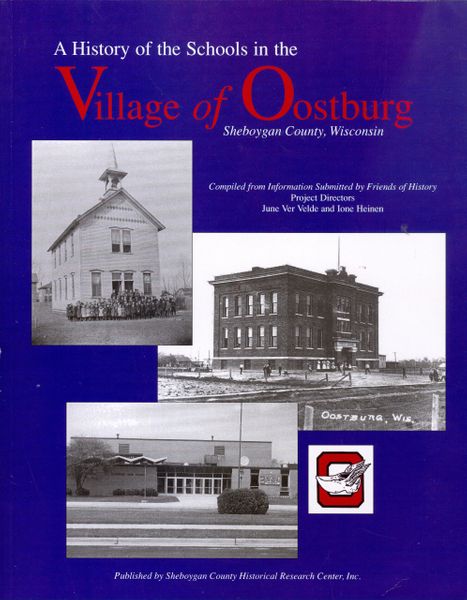 This book covers Oostburg school history from 1899-2005. A great timeline gives the reader a wonderful overview of what happened educationally and socially in Oostburg, Wisconsin. Class photos and memories and reflections are included.
 -
Sale!

By Bill Wangemann
This second book of Bill’s is a compilation of articles that appeared in the Sheboygan Press during 2004. Many are based on activities of the 1950s
-
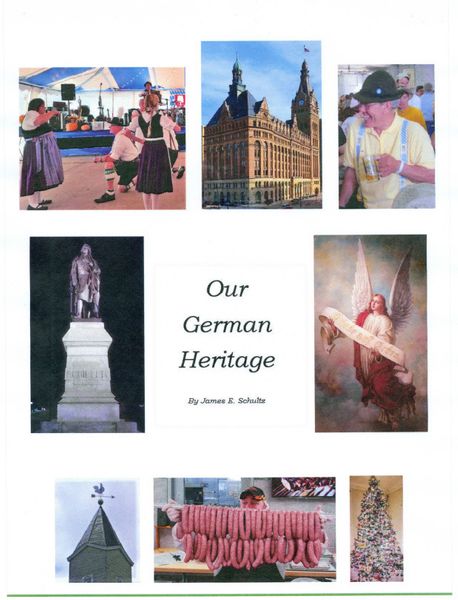
By James E. Schultz. More than a history about Schultz's great grandparents, this book features:
- threads of our German heritage, including food, wine and beer, language, religion, music, dance, and customs woven into the family history and indexed;
- sections devoted to “Why they came”, “Today’s German Attitudes”, and “People and Places”;
- a “Special Find” for each of the eight featured ancestors, a genealogical gem that I uncovered;
- a wide variety of church, government, military, personal, and other resources, with a list of 40 resources cataloged as an appendix; and,
- a section called “Challenges, Tips, and Surprises” that provides helpful pointers for finding information.
-

by Peter Fetterer
The railroads of Sheboygan County have left behind a legacy of stories … some tragic, some humorous, and some almost unbelievable. The stories bear testimony to the men and women who worked on the early rail lines that served the county … the engineers, firemen, brakemen and conductors who ran the trains … the shop men and track gangs who kept them running … the station agents, freight handlers and railroad officials supporting the operations, and the passengers and hobos who rode the rails.
The railroaders working these lines for nearly 150 years and the passengers riding their trains have been an integral part of our history. These are some of their stories … tales from the rails of Sheboygan County.
-
 Sheboygan County Connection III is the continuing record of the lives of Sheboygan County residents and their adventures in history. Read about dozens of historic happenings experienced by residents from the death and autopsy of victims of Ed Gein to the mysteries of Sheboygan's Rancho de las Flores, refugees of the Great Chicago Fire of 1871, the architect for the construction of the first Mormon Temple at Nauvoo, Illinois and history of outhouses. These stories ran in the Sheboygan Press from November 2015 to October 2016.
 -
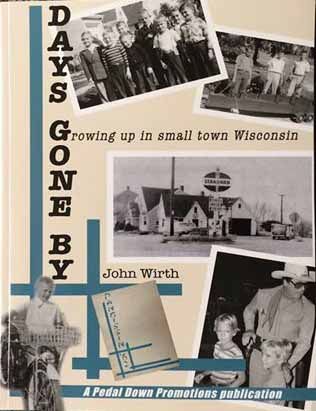 Days Gone By The Falls - Growing up in small town Wisconsin is John Wirth's poignant, colorful account of growing up in Sheboygan Falls in the 1950s and 1960s. The book features a collection of 39 newspaper columns, which have appeared on a regular basis in The Sheboygan Falls News since 2007. The book takes readers back to a time when imagination, creativity and the pursuit of good, clean fun ruled the lives of youngsters long before the clutches of modern technology swooped in to stifle such endeavors. Wirth paints a vivid portrait of an era in time when people worked hard without question and played hard without considering the possible dangers of youthful exuberance. Readers will meet several colorful characters who inhabited many memorable locales in the quant, picturesque, Midwestern city of Sheboygan Falls. Whether you have your own memories of the 1950s and 1960s or are looking to find out what all the fuss was about, buckle in and enjoy the twists and turns of a real-life, small-town adventure ride going on 60 years in the making.
 -
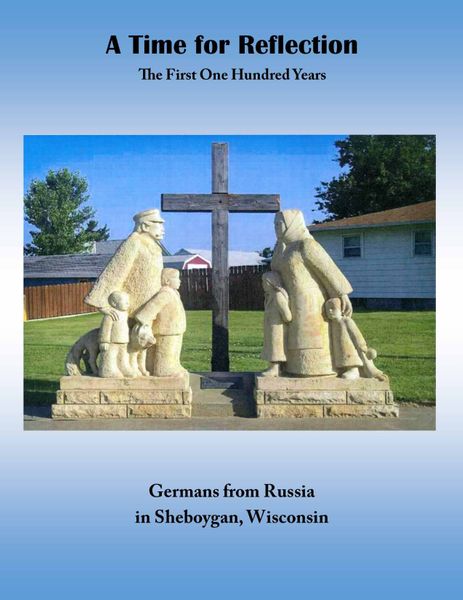 A Time for Reflection 1892-1992 This booklet was prepared for a centennial celebration of the arrival of the first Volga Germans in Sheboygan, Wisconsin. That small group of seven, unsure of their destination or what they would do when they arrived, was followed by many other relatives and friends. Today, thousands of people who live in Sheboygan - or who lived there at one time - are descendants of German Russian immigrants. “A Time for Reflection” is our anniversary theme, for now is an appropriate time to reflect on our ancestors’ lives and to count the many blessings we have received as a result of their courage and sacrifice. With a new government in power, many Russian people of German descent will be searching for relatives and acquaintances in the West. Many Americans, too, want to be reunited with lost kin. We want to be ready to help each other. The history, chronology, and maps in this booklet represent only a small part of our unique heritage. Here is a brief look at the Volga Deitsch, how they got to Russia and why they came to America, and then to Sheboygan. It is a tale of more than 200 years of travel, hardship and joy endured by our ancestors. Older generations might recall the good times as well as the not-so-good when they read about old customs and practices. Younger people may learn a history they did not know existed. This 2016 update adds extra photos and more history.
 -
Sale!
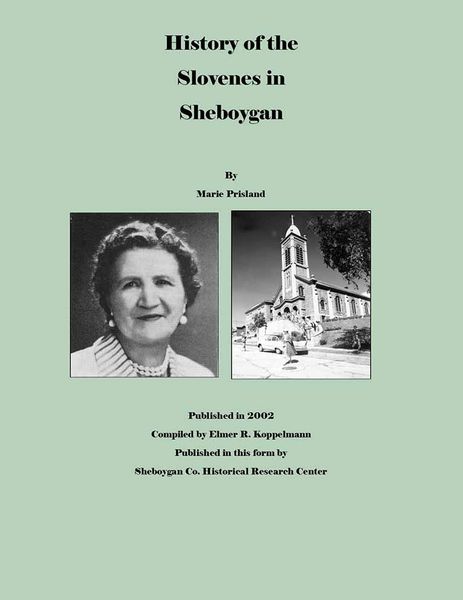
By Marie Prisland
This is a reprinting of 23 February 1945 Sheboygan Press article by Ms. Marie Prisland. Marie Prisland was born Marie Cerne in Recica, Slovenia, Austria and came to the United States in 1906 when she was 15 years old. On February 24, 1908 she married John Prisland in Sheboygan, Wisconsin. In 1945 she wrote her history of the Slovenians in Sheboygan which was published in the Sheboygan Press and Wisconsin Magazine of History published by the State Historical Society of Wisconsin. She researched Slovenian history and migration for over forty years.
-
By Mary E. Meyer
This book is a concise history of the port of Sheboygan, complete with photos of the harbor and the ships that plied its waters. Histories of harbor industries included.
-
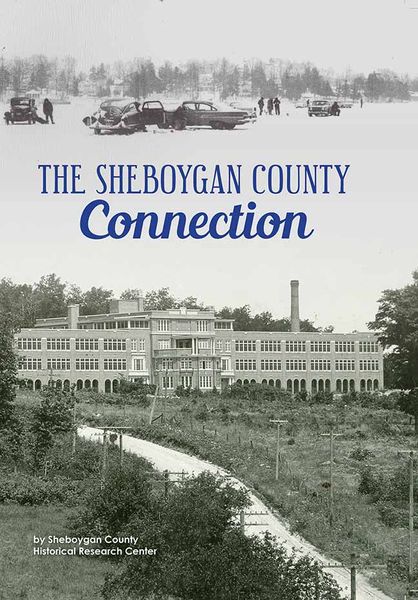 The Sheboygan County Connection is a collection of forty-one stories about the way folks from Sheboygan County are connected to the greater world. Most were seen as Sheboygan County History columns in the Sheboygan Press from February to October 2014. Extra information and photos have been added. Topics range from ice fishing and the brutal winter of 1936 to the advent of Rocky Knoll and citizens’ participation in the Manhattan Project.
 -
 Sheboygan, Wisconsin, known for years as "Chair City" has been home to such companies as Phoenix Chair, Northern Furniture Company, Mattoon, Crocker Chair, Bemis-Riddell, Thonet, R-Way and more. This book traces the history of furniture making in Sheboygan County from the mid-1800s to present day companies.
 -
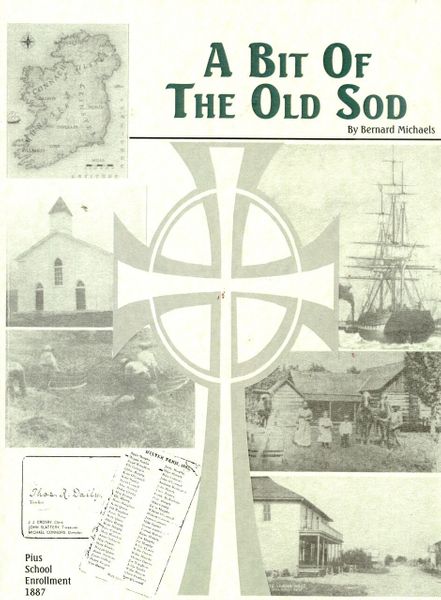
By Bernard Michaels
The poignant story of immigration and settlement of the Irish in Sheboygan County, this book gives an account of the Byron-Lima Settlement, a span of some thirty miles in which over 600 Irish families settled. The community's irregular borders ran from Kennedy's Corners in Lima to the frame church of Byron's St. John. The town of Mitchell, Sheboygan County is at the heart of this story.
-
Sale!
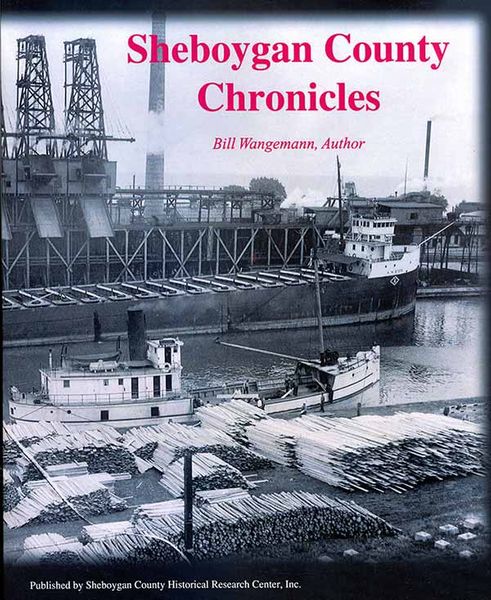
By Bill Wangemann.
This is a collection of Sheboygan City Historian, Bill Wangemann’s 2005 and 2006 Sheboygan Press articles. Topics include Memories of Railroads, Electric Rail or the Interurbans, maritime stories- The Burning of the Niagara and The Mysterious Loss of the Pere Marquette 18, movies, TV and drive-in theater, Garton Toy and its fire, the stumpff fiddle and so much more.
-
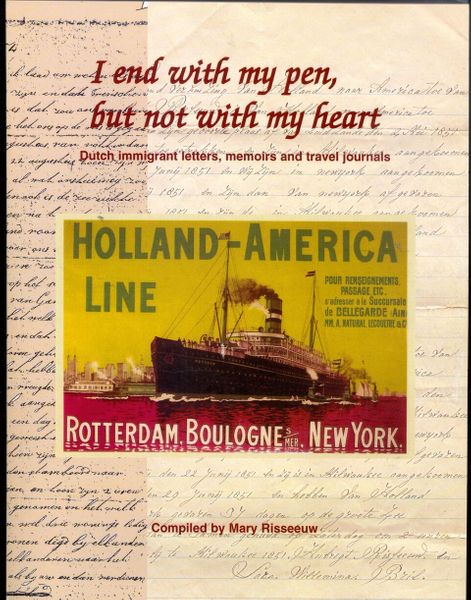
By Mary Risseeuw
These letters, memoirs and travel journals span a hundred year period (1847-1959) and offer a fascinating view into the lives of the immigrants and their families. Some provide remarkable detail about their journey to America and their struggles to establish a new life. Others offer little beyond the basics: weather, health, crops, births and deaths. Most are grateful for the blessings of God and the fact that they are still ‘fresh and healthy’ (alive and well, in more modern terms!). The criterion for selecting the contents of this book was to present an overview of different settlements in Wisconsin and to provide a glimpse into the differences and similarities between the various immigration waves. There are vivid tales of crossing the Atlantic Ocean and personal glimpses into the Civil War, World War I and World War
-
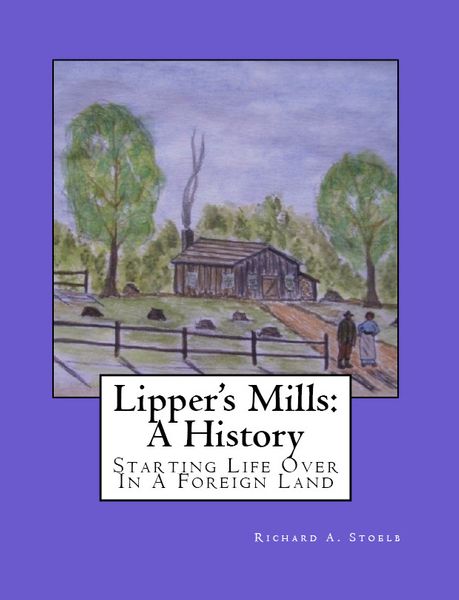
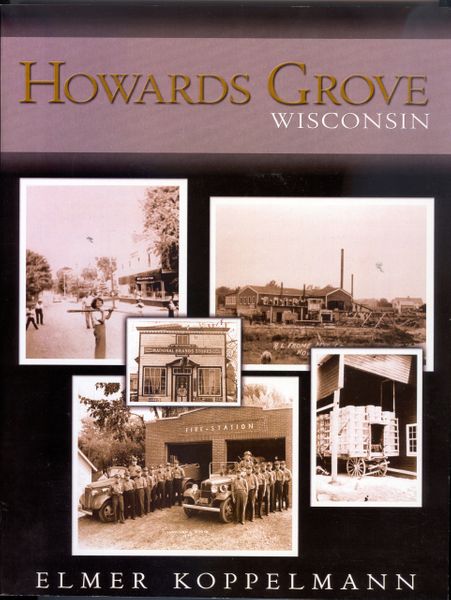 By Elmer Koppelmann The village of Howards Grove began as two separate villages, Howards Grove and Millersville. Not until 1967 did the two unite into one incorporated village. The first European settlers to settle in the town of Herman (originally named Howard) were the "Lippers"- a group of 13 families and seven orphaned young people from Lippe-Detmold, Germany. The year was 1846, and the group's leader was Friedrich Reineking. They settled on the land that is now Lakeland College. This volume brings the history of the area back to life, and documents the families and businesses that, today, make up Howards Grove.
 -
Sale!
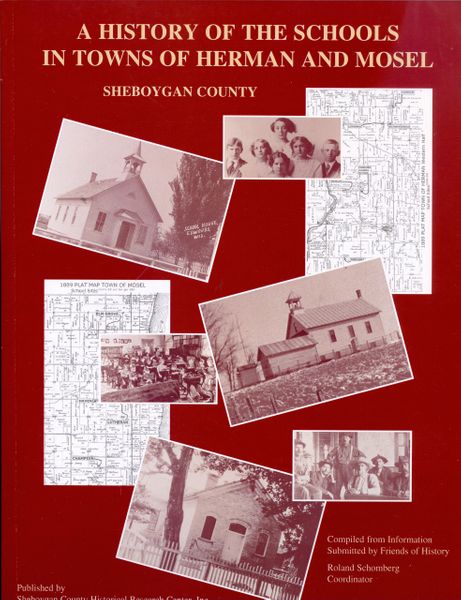
By Roland Schomberg
Originally published 1994, this 2008 update provides the reader with a look at the schools in the towns of Herman and Mosel from the town’s earliest history. Schools covered: Millersville, Howards Grove, Green Bay Road, Washington, Franklin, Pinehurst, Schwartzwald, Elm Grove, Haven, Champion, and Lakeview.
-
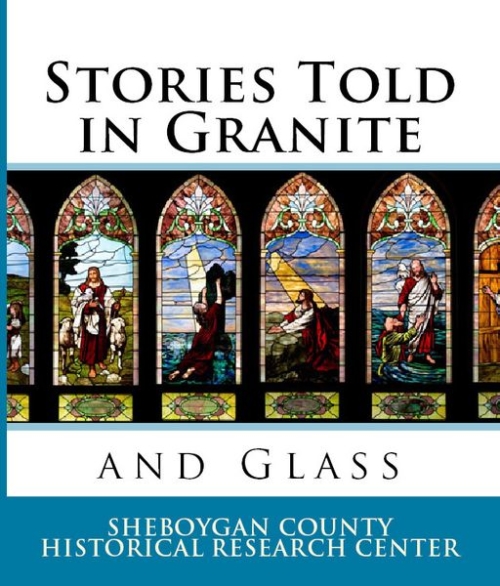
Across time, cemeteries have acted as places of burial and remembrance, but they also provide vivid records of community history. Whether large or small, well maintained or neglected, historic cemeteries are an important part of our cultural landscape. The vast richness of expression through form, decoration and materials inform our understanding of the individuals buried in historic cemeteries and their cultural significance. The very stones that mark the graves form a museum of their own.
A church’s stained glass windows, to some degree, play much the same role to a community. They tell the story of some element important to the life of parishioners. They uplift, beautify and instruct.
This volume will introduce readers to some of the most interesting and beautiful stained glass windows and cemetery monuments in the county. We’ll discuss the background and history of each form of expression and much more. Consider this a primer to Sheboygan County’s treasures.
-
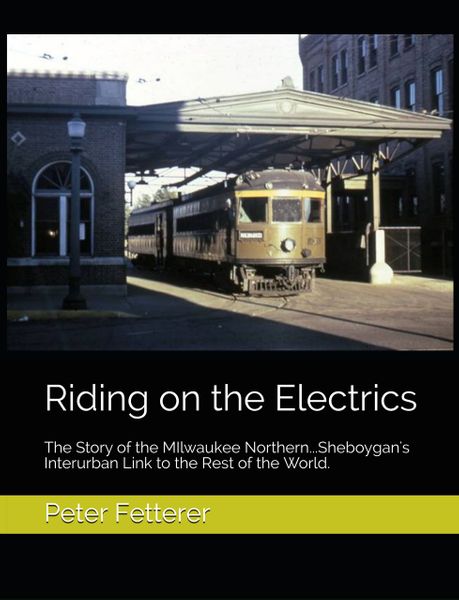 The story of the Milwaukee Northern . . . Sheboygan's interurban link to the rest of the world by Peter Fetterer. Available by about November 30, 2018.
 -

By Peter Laun
Elkhart Lake, Wisconsin, home to Road America today, was once a summer vacation retreat to thousands of city dwellers from Chicago, Milwaukee and St. Louis. The trains and interurban brought them to enjoy the cool breezes and waters of Elkhart Lake, Crystal Lake and Little Elkhart Lake. This volume discusses Joseph Moore, the founder and many other colorful characters of the village. It reminds us of Villa Gottfried, the Schwartz Hotel, Siebken's, Pine Point, Osthoff and Camp Brosius. Photos accompany each story.
-
 The cheese industry has been very important to Sheboygan County, Wisconsin since the 1870s. This is a history of the industry in the county. It is divided by townships and lists some 210 different factories that existed over time. It deals with cheese making in the home, the development of cheese factories, factories and their locations, cheese makers, the cheese making season, tools and equipment, the growth of the industry, cheese exchanges, types of cheese and much more
 -
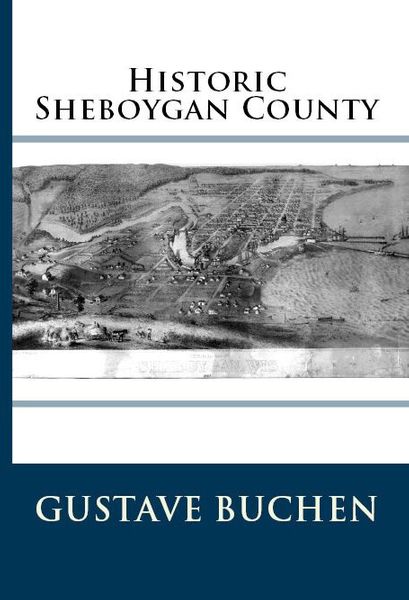
By Gustave Buchen
Considered the quintessential book on Sheboygan County history, this volume by Gustave Buchen, was written in 1944, when many of the original settlers were still alive. The information is well documented and tells the story of Sheboygan County's first years. The book includes an index, maps of early Sheboygan County and drawings. 2015 Reprint.
-
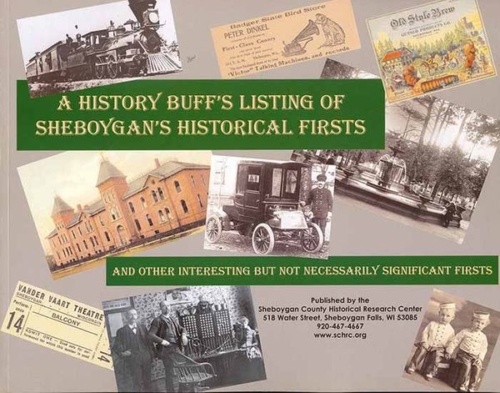 By Robert Spatt. The City of Sheboygan has many interesting and important "Firsts". This book documents many of those items. There is bound to be a chapter for every interest and although residents of Sheboygan will know many of these firsts, there are a lot of surprises. Some of the firsts are obscure such as the first bratwurst stand, the first department store, the first female principal of a school, the first baby born in Sheboygan; Others, such as the city founder, Farnsworth, and many of the sporting events, maybe remembered by many. The final chapter is entitled “Et Cetera.” Here are little known firsts that don’t fit into any category – Peter Dinkel and his canaries, Clemens Reiss the first to cross the city’s new Eighth Street Bridge in 1923, the street sprinkler who sprayed water on the dusty dirt streets and other obscure first facts. A book to pick up and read a chapter at a time then casually sprinkle conversations with a “did you know that….”
 -
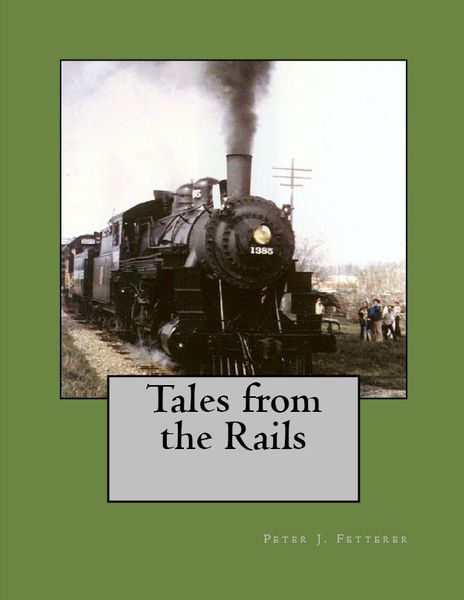 An entertaining compilation of great newspaper articles following the history of the railroad in Sheboygan County. Some are humorous, some are serious, and some are downright shocking. Great reading for the railroad enthusiast and amateur alike. 2016 Reprint.
 -
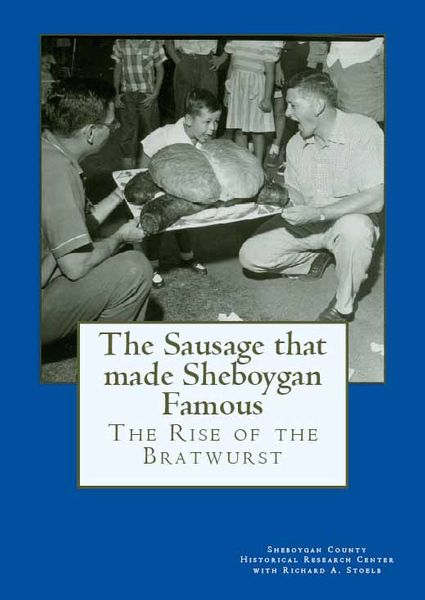 Since 1953, August brings Bratwurst Day, a celebration of sausage and of our collective German heritage. The brat is a social food in Wisconsin where Germans first introduced it to the New World. We have brat fries on weekends like folks have BBQs in the south and Chicago has its deep dish pizza. It is part of a deep food tradition. Few things identify one’s German heritage more than making sausage. Sausage was a means of survival for our German ancestors during the winter months, as well as a way to use precious meat scraps and pay homage to their porcine good luck charm. This book documents the long and varied history of some of Sheboygan's nearly forty meat markets and sausage producers. We’ll revisit sausage-making in the county and remember the heyday of 1950s Bratwurst Days.
 -
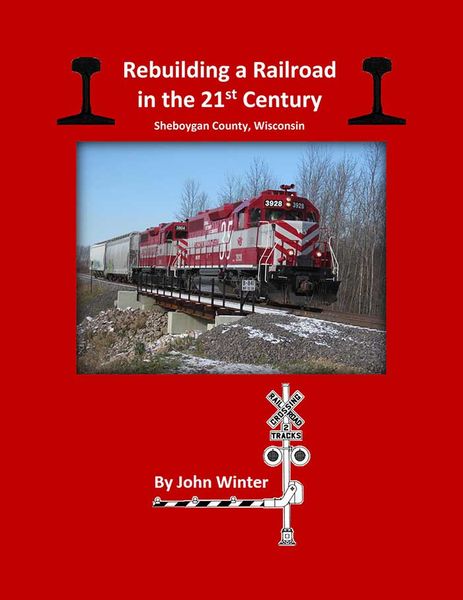 Rebuilding a Railroad in the 21st Century: Sheboygan County, Wisconsin, documents the rebuilding of an 11-mile rail line in Sheboygan County, after being dormant for nearly 30 years. This was more than just a fix-it-up job, but the replacement of the entire line from the ground up with new track built to modern standards to handle heavy loads. It also required one trestle to be completely replaced and others reinforced. Adding to the generous amount of photos, there are “before” and “after” photos taken at dozens of locations, and it won’t seem possible that these photos were taken at the same location. Also included is the history of this line from the pre-civil war era to current times. Old rail dating back over 150 years was found and included is the story that these old rails tell.
 -
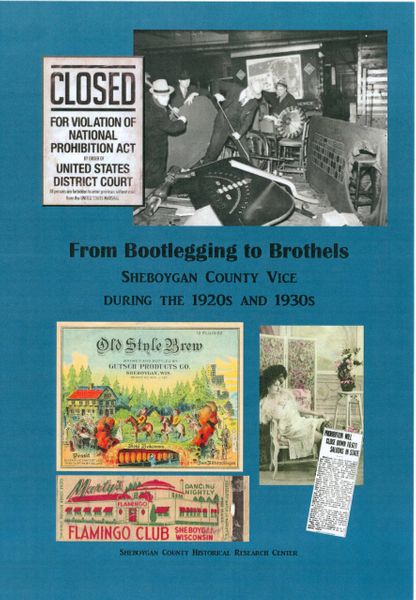 This collection of stories, images, ads, news articles and factoids is designed to give you an introductory look at the local history of the 1920s and 1930s in Sheboygan County. It deals with vice- Prohibition, prostitution, gambling, raids on stills and crime over two decades. It is by no means comprehensive and much of what has been collected is story. This is meant to be fun and informative -- a great conversation starter.
 -
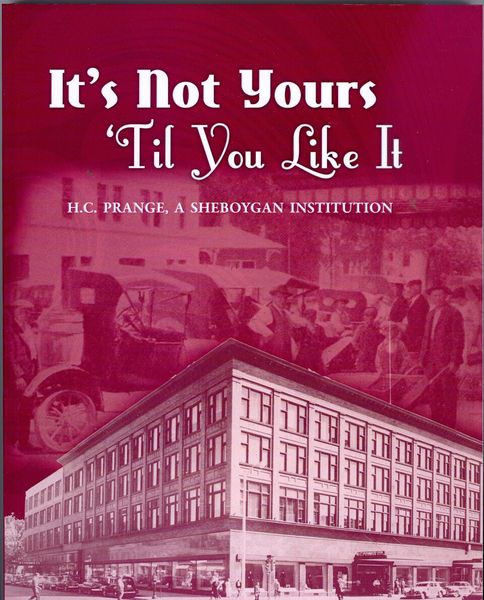 Mention the name Prange’s and no matter your age from 40 to 90 you probably have personal memories of the legendary Sheboygan department store. Whether those memories are of the annual animated Christmas window displays and caramel corn, the use of due bills, charge-a-plates, layaways, will-call, the x-ray machine in the shoe department or the escalators, they are shared by many and are part of the cherished collective history of the H.C. Prange Company. This publication is by no means a comprehensive history of the H.C. Prange Company. It is more a trip down memory lane, filled with images, stories and recipes submitted by former employees and loyal shoppers.