-
Sale!
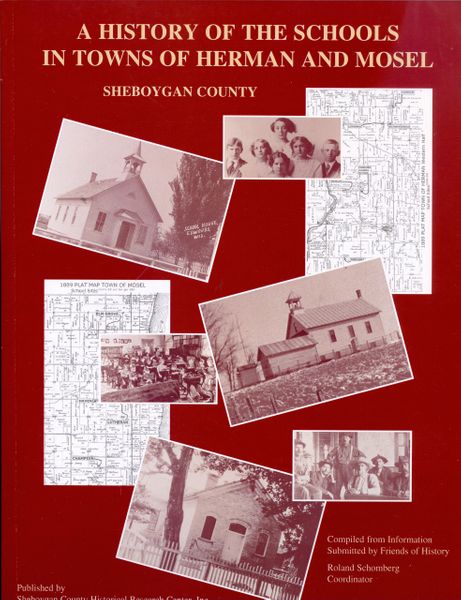
By Roland Schomberg
Originally published 1994, this 2008 update provides the reader with a look at the schools in the towns of Herman and Mosel from the town’s earliest history. Schools covered: Millersville, Howards Grove, Green Bay Road, Washington, Franklin, Pinehurst, Schwartzwald, Elm Grove, Haven, Champion, and Lakeview.
-
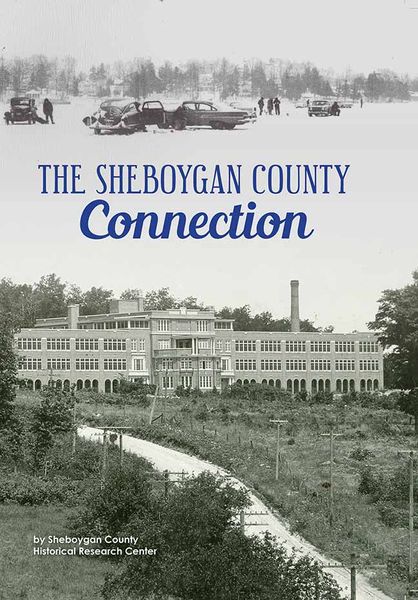 The Sheboygan County Connection is a collection of forty-one stories about the way folks from Sheboygan County are connected to the greater world. Most were seen as Sheboygan County History columns in the Sheboygan Press from February to October 2014. Extra information and photos have been added. Topics range from ice fishing and the brutal winter of 1936 to the advent of Rocky Knoll and citizens’ participation in the Manhattan Project.
 -
Sale!

By Bill Wangemann
This second book of Bill’s is a compilation of articles that appeared in the Sheboygan Press during 2004. Many are based on activities of the 1950s
-
Sale!
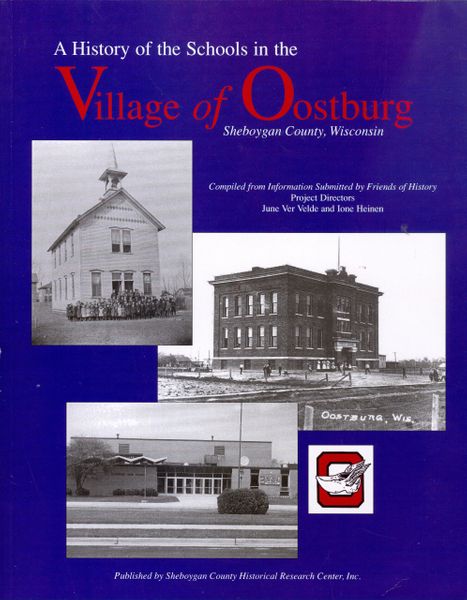 This book covers Oostburg school history from 1899-2005. A great timeline gives the reader a wonderful overview of what happened educationally and socially in Oostburg, Wisconsin. Class photos and memories and reflections are included.
 -

By Plymouth Historical Society and SCHRC
Plymouth, originally considered a “hub” city because of the hub and wheel factory located there, it has also earned that moniker because of its central location between Milwaukee and Green Bay. Tourists flock to Plymouth year round to visit the variety of shops, to golf, swim and ski, or explore the beautiful Kettle Moraine State Forest. Residents are proud of their heritage, which can be seen at sites throughout the city. Visit Plymouth through this wonderful tribute using historic photographs.
-
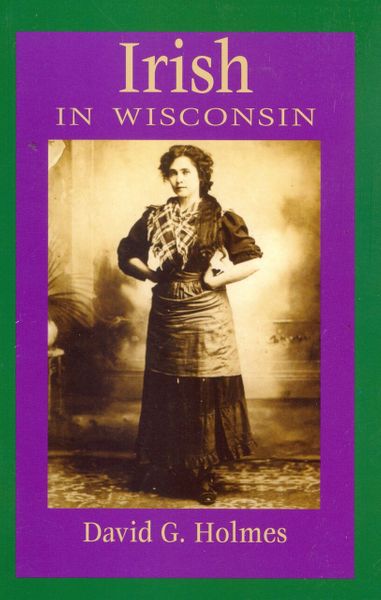 By David Holmes The Irish have a rich and long history in Wisconsin, dating back to the 19th century. Immigrants quickly formed communities in Beloit, Fond du Lac, and Sturgeon Bay, as well as in rural Trempeauleau County. They worked at day labor, railroad construction, lumbering, fishing, and of course farming. Some of those early Irish communities have disappeared; others have experienced succeeding generations of Irish Americans settling in these Wisconsin cities and small towns and influencing them with their old country charm.
 -
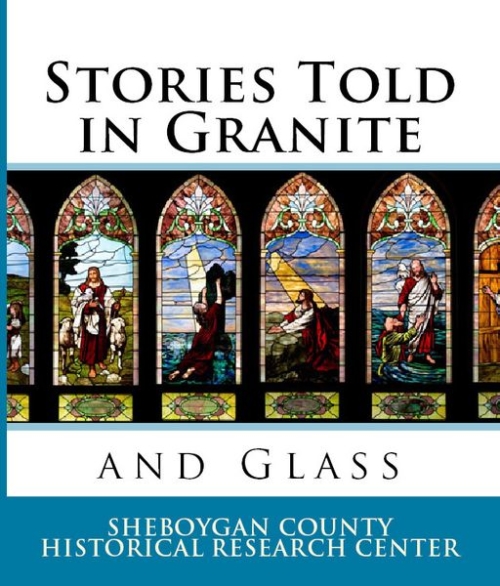
Across time, cemeteries have acted as places of burial and remembrance, but they also provide vivid records of community history. Whether large or small, well maintained or neglected, historic cemeteries are an important part of our cultural landscape. The vast richness of expression through form, decoration and materials inform our understanding of the individuals buried in historic cemeteries and their cultural significance. The very stones that mark the graves form a museum of their own.
A church’s stained glass windows, to some degree, play much the same role to a community. They tell the story of some element important to the life of parishioners. They uplift, beautify and instruct.
This volume will introduce readers to some of the most interesting and beautiful stained glass windows and cemetery monuments in the county. We’ll discuss the background and history of each form of expression and much more. Consider this a primer to Sheboygan County’s treasures.
-
By Mary E. Meyer
This book is a concise history of the port of Sheboygan, complete with photos of the harbor and the ships that plied its waters. Histories of harbor industries included.
-
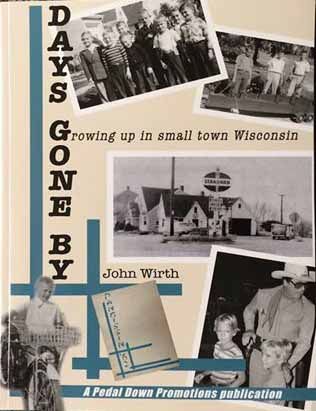 Days Gone By The Falls - Growing up in small town Wisconsin is John Wirth's poignant, colorful account of growing up in Sheboygan Falls in the 1950s and 1960s. The book features a collection of 39 newspaper columns, which have appeared on a regular basis in The Sheboygan Falls News since 2007. The book takes readers back to a time when imagination, creativity and the pursuit of good, clean fun ruled the lives of youngsters long before the clutches of modern technology swooped in to stifle such endeavors. Wirth paints a vivid portrait of an era in time when people worked hard without question and played hard without considering the possible dangers of youthful exuberance. Readers will meet several colorful characters who inhabited many memorable locales in the quant, picturesque, Midwestern city of Sheboygan Falls. Whether you have your own memories of the 1950s and 1960s or are looking to find out what all the fuss was about, buckle in and enjoy the twists and turns of a real-life, small-town adventure ride going on 60 years in the making.
 -
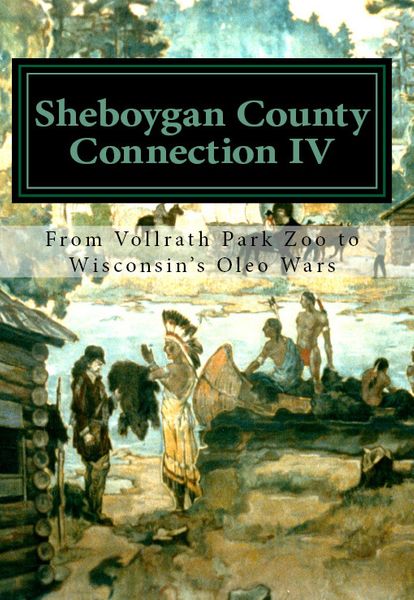 This is a compilation of articles run in the Sheboygan Press during late 2016 and early 2017. Story titles include: What we used to do at Sheboygan's zoo Remembering Sheboygan County’s forgotten places Interurbans’ meteoric rise, then fall Remembering American wars from the Home Front Memories from a town of Mitchell farm Recalling Sheboygan's unsavory 1920s, 1930s Quirky forgotten laws abound in Sheboygan When bootleggers smuggled margarine Pinehurst Farms boasts rich history Letters to Santa offer look into kids' lives Discovering stories of lost places in Sheboygan County Remembering the architectural trend of octagon houses Appreciation of Grassroots art emerges in recent decades Advertisements reflect culture, paint picture of past Passengers on Orphan Train found home in Sheboygan Dozens of brothels housed in county in early 1900s How Sheboygan cleaned up after hosting brothels
 -
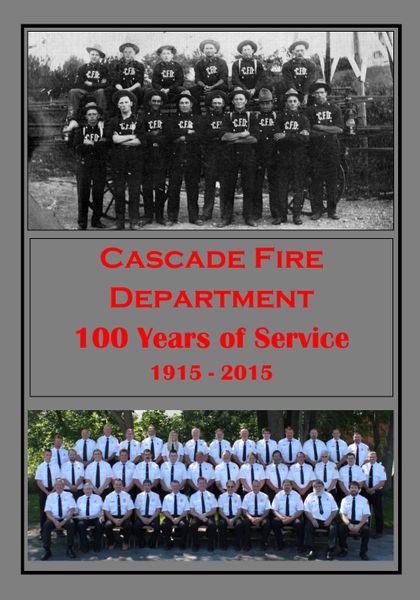 In 1866, Cascade suffered serious setback when a fire wiped out practically the entire main drag including most of its businesses. By 1872, two flour mills, a saw mill, a bank, four grocery stores, a hardware store, three shoe stores, two blacksmiths, a wagon shop, a hotel and two churches had all rebuilt making the “newer’ wider main street. By the 1900 Cascade boosted a healthy business district that included wool carding, two cheese factories, two feed mills, three hotels, a post office, a physician’s office and a dentist office. In 1906 a group of business men held a meeting to discuss the future of Cascade. They came up with a list of things that they thought Cascade needed to continue growing: A fire company. A good library. A good policeman. A few more houses to rent. A number of good sidewalks. A parsonage for the United Brethren Church. Home protection from so many useless peddlers. A few more sheds to keep horses under in wet weather. More people to do less trading with the large firms in Chicago. A few more men to take the ladies out riding.