Shop

  • By Plymouth Historical Society and SCHRC

    Plymouth, originally considered a “hub” city because of the hub and wheel factory located there, it has also earned that moniker because of its central location between Milwaukee and Green Bay. Tourists flock to Plymouth year round to visit the variety of shops, to golf, swim and ski, or explore the beautiful Kettle Moraine State Forest. Residents are proud of their heritage, which can be seen at sites throughout the city. Visit Plymouth through this wonderful tribute using historic photographs.
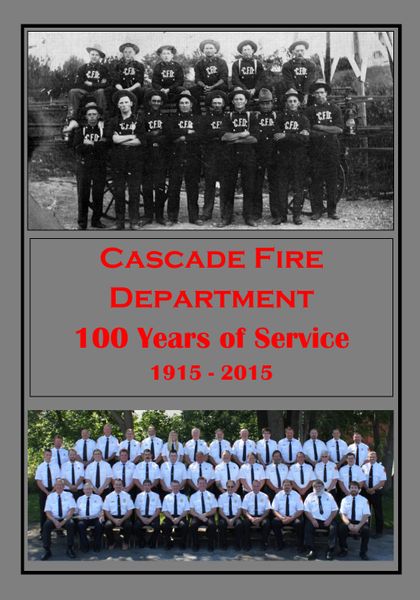
  • In 1866, Cascade suffered serious setback when a fire wiped out practically the entire main drag including most of its businesses. By 1872, two flour mills, a saw mill, a bank, four grocery stores, a hardware store, three shoe stores, two blacksmiths, a wagon shop, a hotel and two churches had all rebuilt making the “newer’ wider main street. By the 1900 Cascade boosted a healthy business district that included wool carding, two cheese factories, two feed mills, three hotels, a post office, a physician’s office and a dentist office. In 1906 a group of business men held a meeting to discuss the future of Cascade. They came up with a list of things that they thought Cascade needed to continue growing: A fire company. A good library. A good policeman. A few more houses to rent. A number of good sidewalks. A parsonage for the United Brethren Church. Home protection from so many useless peddlers. A few more sheds to keep horses under in wet weather. More people to do less trading with the large firms in Chicago. A few more men to take the ladies out riding.
  • Sale!

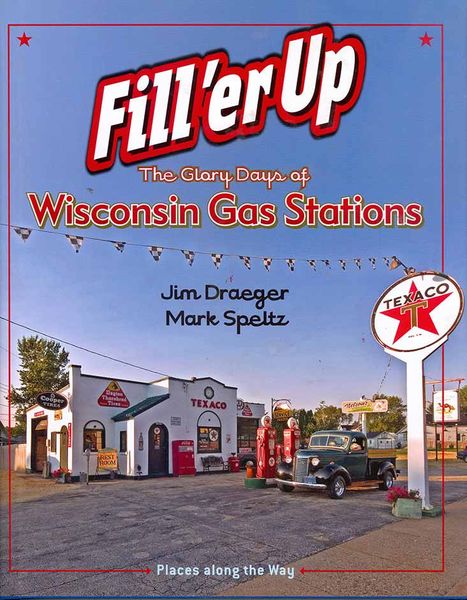
    Fill’er Up, The Glory Days of Wisconsin’s Gas Stations

    Original price was: $30.00.Current price is: $25.00.
    By Jim Draeger and Mark Speltz The authors visit 60 Wisconsin gas stations that are still standing today and chronicles the history of these humble yet ubiquitous buildings. The book tells the larger story of the gas station's place in automobile culture and its evolution in tandem with American history, as well as the stories of the individuals influenced by the gas stations in their lives.
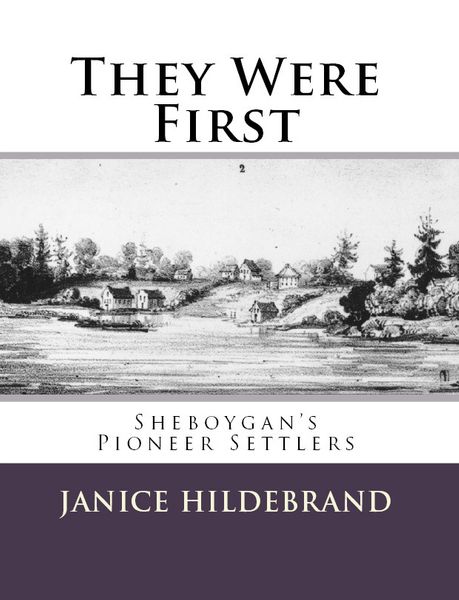
  • By Janice Hildebrand This book is a tribute to the City of Sheboygan in its sesquicentennial year 2003. The area that is now the city was settled years before 1853, but the city was not chartered until then. This book documents 45 men and women who were important in Sheboygan's early years. Each bio contains one or more photos. 2016 reprint.
  • Sale!

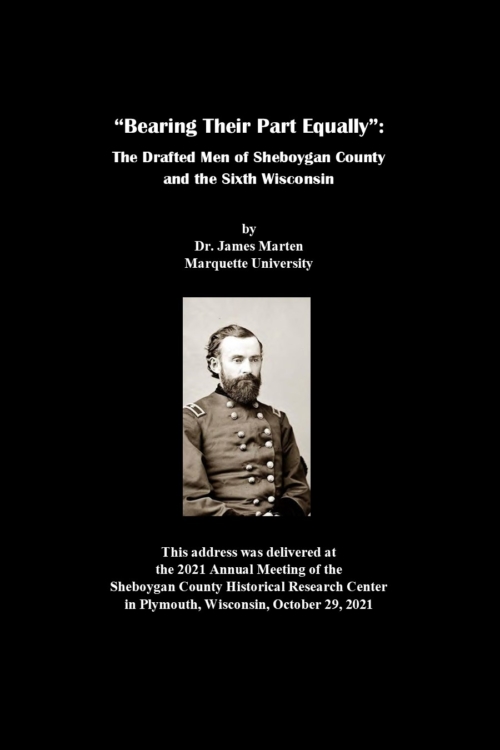
    Bearing Their Part Equally, The Drafted Men of Sheboygan County the Sixth Wisconsin

    Original price was: $8.00.Current price is: $5.00.
  • Sale!

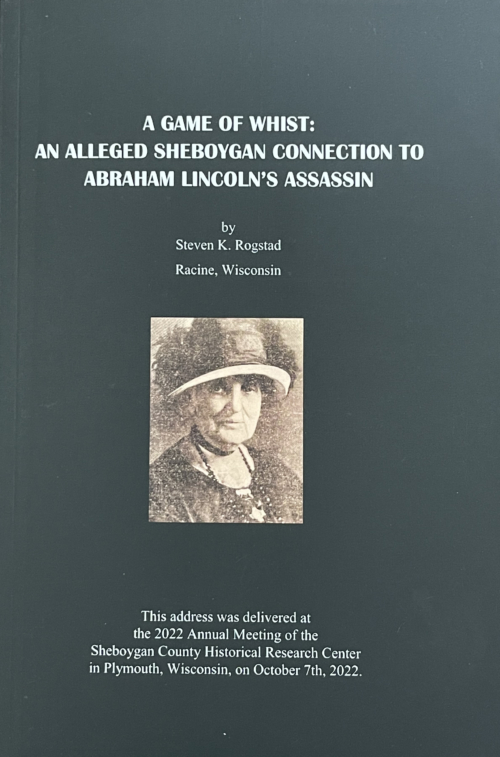
    A Game of Whist: An Alleged Sheboygan Connection to Abraham Lincoln’s Assassin

    Original price was: $8.00.Current price is: $5.00.
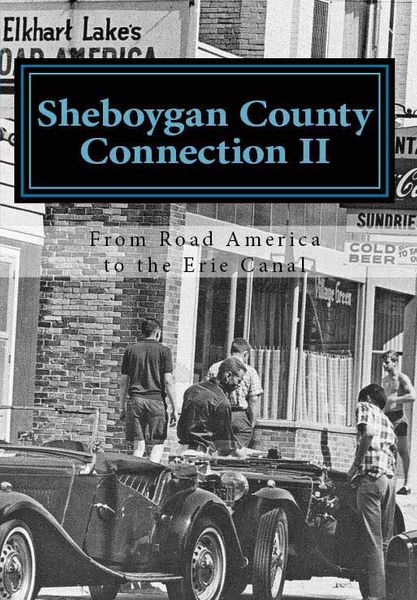
  • This is the second volume in a series. It contains more than fifty stories about Sheboygan County citizens and the amazing ways they participated in important history. Topics range from the 1950s bomb shelter scare to the opening of Road America and Clif Tufte to the opening of the Erie Canal in the 1830s.
  • By Edmund Schulz Spring Corners is located at the intersection of County Trunk M and the Manitowoc-Sheboygan County Line, now known as County Line Road in the Township of Meeme in Manitowoc County and the Township of Herman in Sheboygan County. A spring flows continuously at Spring Corners, a place where people have come from far and near for a cool drink and to fill their water jugs for home use. This spring is part of a line of springs that form the Spring Valley
  • Sale!

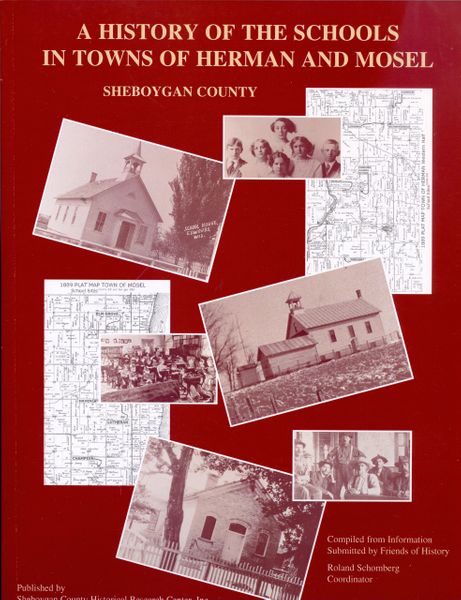
    A History of Schools in Towns of Herman and Mosel

    Original price was: $15.00.Current price is: $10.00.

    By Roland Schomberg

    Originally published 1994, this 2008 update provides the reader with a look at the schools in the towns of Herman and Mosel from the town’s earliest history. Schools covered: Millersville, Howards Grove, Green Bay Road, Washington, Franklin, Pinehurst, Schwartzwald, Elm Grove, Haven, Champion, and Lakeview.

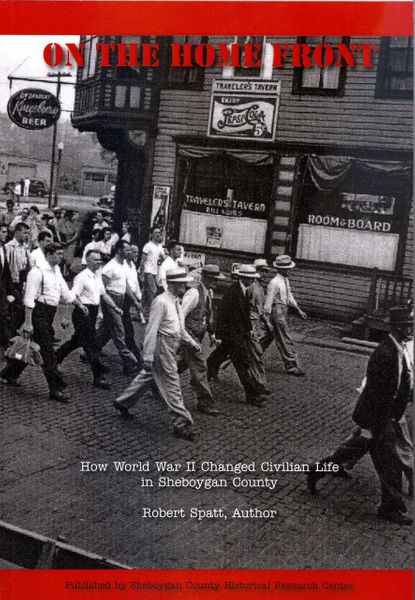
  • By Robert Spatt On the Home Front is a chronological account of daily life for Sheboygan residents and how it changed dramatically during WWII. The story is told by way of actual headlines, story excerpts, photographs, editorials and advertisements as published in Sheboygan County newspapers at that time.
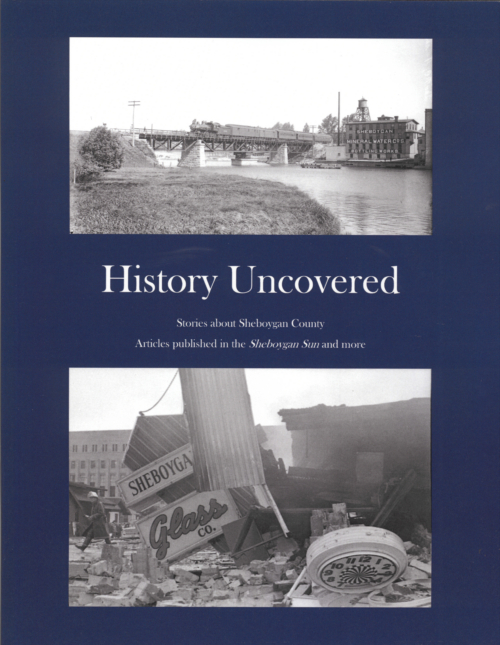
  • This is a compilation of articles run in the Sheboygan Press during late 2016 and early 2017. Story titles include: What we used to do at Sheboygan's zoo Remembering Sheboygan County’s forgotten places Interurbans’ meteoric rise, then fall Remembering American wars from the Home Front Memories from a town of Mitchell farm Recalling Sheboygan's unsavory 1920s, 1930s Quirky forgotten laws abound in Sheboygan When bootleggers smuggled margarine Pinehurst Farms boasts rich history Letters to Santa offer look into kids' lives Discovering stories of lost places in Sheboygan County Remembering the architectural trend of octagon houses Appreciation of Grassroots art emerges in recent decades Advertisements reflect culture, paint picture of past Passengers on Orphan Train found home in Sheboygan Dozens of brothels housed in county in early 1900s How Sheboygan cleaned up after hosting brothels
  • Sale!

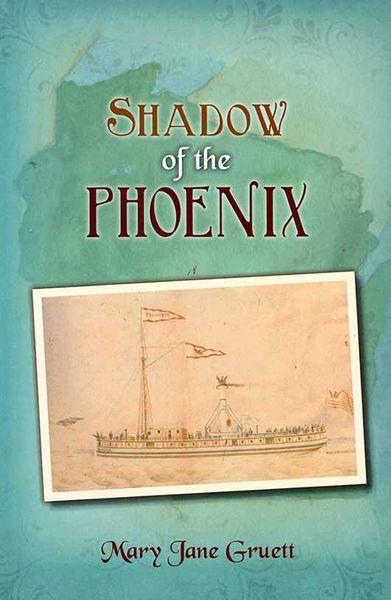
    Shadow of the Phoenix

    Original price was: $9.95.Current price is: $8.00.
    By Mary Jane Gruett Twelve year old Derk Van Vliet began the adventure of a lifetime in Holland in 1847. He left his home, his friends and his faithful dog, Bello, to begin a new life in America. But, disaster struck as his ship came within sight of its destination, Sheboygan, Wisconsin. The Phoenix, a Great Lakes steamer, normally delivered immigrants to their new homes. But, on Derk’s voyage, the doomed Phoenix, was part of an historic disaster which would cause Derk to question everything about life. He would have to forge ahead to find a new life and search to find courage deep within himself.
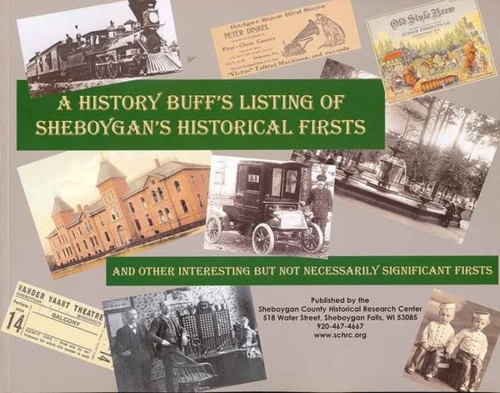
  • By Robert Spatt. The City of Sheboygan has many interesting and important "Firsts". This book documents many of those items. There is bound to be a chapter for every interest and although residents of Sheboygan will know many of these firsts, there are a lot of surprises. Some of the firsts are obscure such as the first bratwurst stand, the first department store, the first female principal of a school, the first baby born in Sheboygan; Others, such as the city founder, Farnsworth, and many of the sporting events, maybe remembered by many. The final chapter is entitled “Et Cetera.” Here are little known firsts that don’t fit into any category – Peter Dinkel and his canaries, Clemens Reiss the first to cross the city’s new Eighth Street Bridge in 1923, the street sprinkler who sprayed water on the dusty dirt streets and other obscure first facts. A book to pick up and read a chapter at a time then casually sprinkle conversations with a “did you know that….”
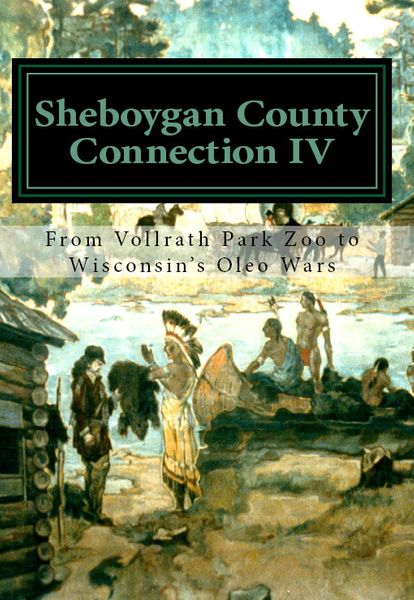
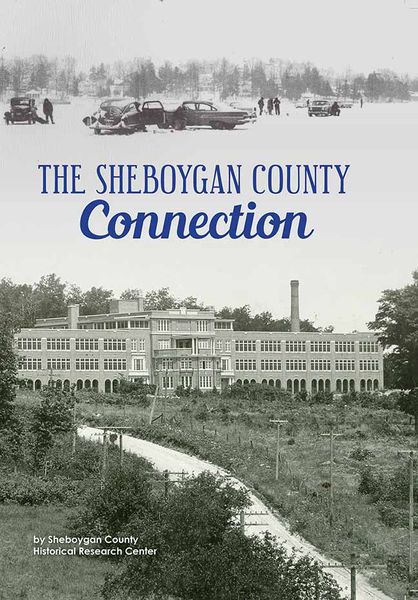
  • The Sheboygan County Connection is a collection of forty-one stories about the way folks from Sheboygan County are connected to the greater world. Most were seen as Sheboygan County History columns in the Sheboygan Press from February to October 2014. Extra information and photos have been added. Topics range from ice fishing and the brutal winter of 1936 to the advent of Rocky Knoll and citizens’ participation in the Manhattan Project.
  • By Denny Moyer

    This short book outlines the 100 year history of Baseball in Sheboygan, Wisconsin. Sheboygan's colorful history began with the Elwell Boys sponsored by Elwell Flour Mill and chronicles the many teams up to the present Sheboygan A's.

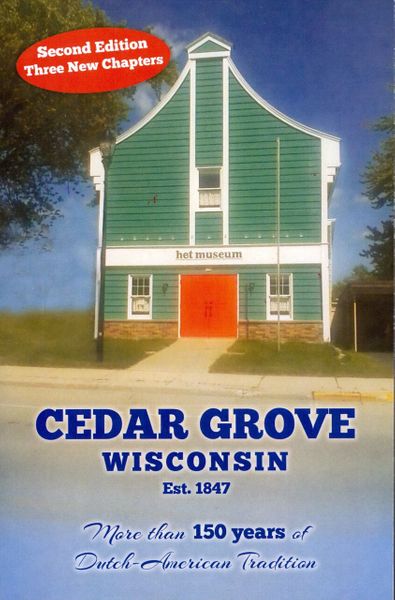
  • “Cedar Grove, Wisconsin, 150 Years of Dutch-American Tradition,” has been updated and reprinted. Three new chapters entitled, “Historical Update, Old News and The Royal Visit” have been added. The new publication will be available for sale at a discounted price during the festival at the following locations: Holland Festival Souvenir Stand, Het Museum, Te Ronde House Museum, Oma’s on Main Restaurant, Cedar Grove Library and the Union Dollar General Store.
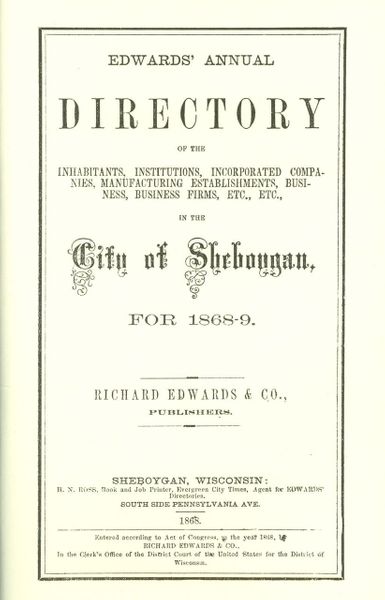
  • Annual directory of the inhabitants, institutions, incorporated companies, manufacturing establishments, businesses, business firms, etc. in the City of Sheboygan. Published by Richard Edwards and company.
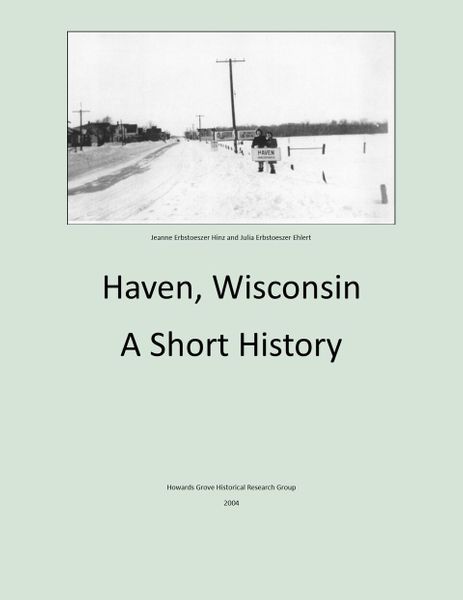
  • By the Howards Grove Area Historical Research Committee The settlement of Haven, located in the Town of Mosel on the western shore of Lake Michigan, Sheboygan County, was formerly known as Seven Mile Creek, not Seven Creeks, as has been recorded in a newspaper account of the area’s history. It got its name from a small creek which flowed into Lake Michigan about seven miles north of Sheboygan. The first post office in Haven was established on July 16, 1897. The first postmaster in Haven was Frederick W. Franzmeier. In 1897 Frederick and Herman Franzmeier built a rooming house, tavern and store next to the railroad tracks. In 1903 the post office was established in that building.
  • Sale!

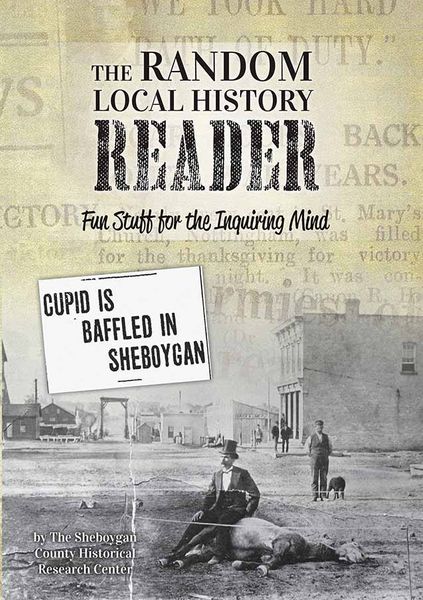
    Random Local History Reader, Fun Stuff for the Inquiring Mind

    Original price was: $17.00.Current price is: $12.00.
    The Random Local History Reader is filled with odd and interesting history. What is the real story of the Dead Horse? Who was the Black Terror of Sheboygan? Have you ever read an obituary for an outhouse? Learn the meaning of the term, Yeggman. Find out why Cupid was baffled. And read the full story behind the murder of revered, early teacher, John Sexton. Great reading for quiet time, you’ll enjoy every story and photo included in this random collection of historical gems.
  • Sale!

    Sheboygan County’s Unforgotten, a Story of our Korean War Soldiers

    Original price was: $15.00.Current price is: $12.00.
  • An entertaining compilation of great newspaper articles following the history of the railroad in Sheboygan County.  Some are humorous, some are serious, and some are downright shocking.  Great reading for the railroad enthusiast and amateur alike. 2016 Reprint.
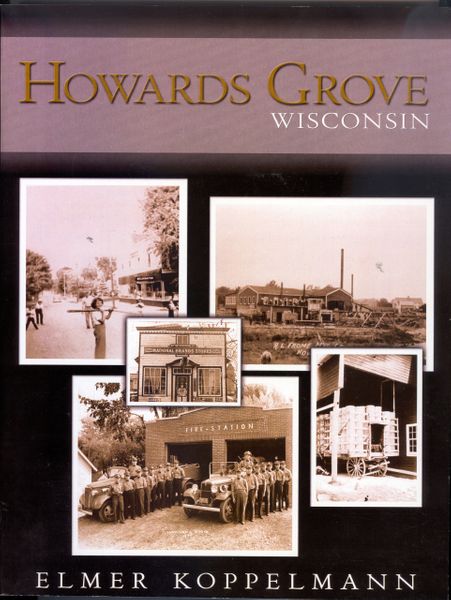
  • By Elmer Koppelmann The village of Howards Grove began as two separate villages, Howards Grove and Millersville. Not until 1967 did the two unite into one incorporated village. The first European settlers to settle in the town of Herman (originally named Howard) were the "Lippers"- a group of 13 families and seven orphaned young people from Lippe-Detmold, Germany. The year was 1846, and the group's leader was Friedrich Reineking. They settled on the land that is now Lakeland College. This volume brings the history of the area back to life, and documents the families and businesses that, today, make up Howards Grove.
Go to Top